
From Being One of the First Black Girls to Desegregate Southern Schools, Leona Tate Now Fights to Protect Black Voting Power
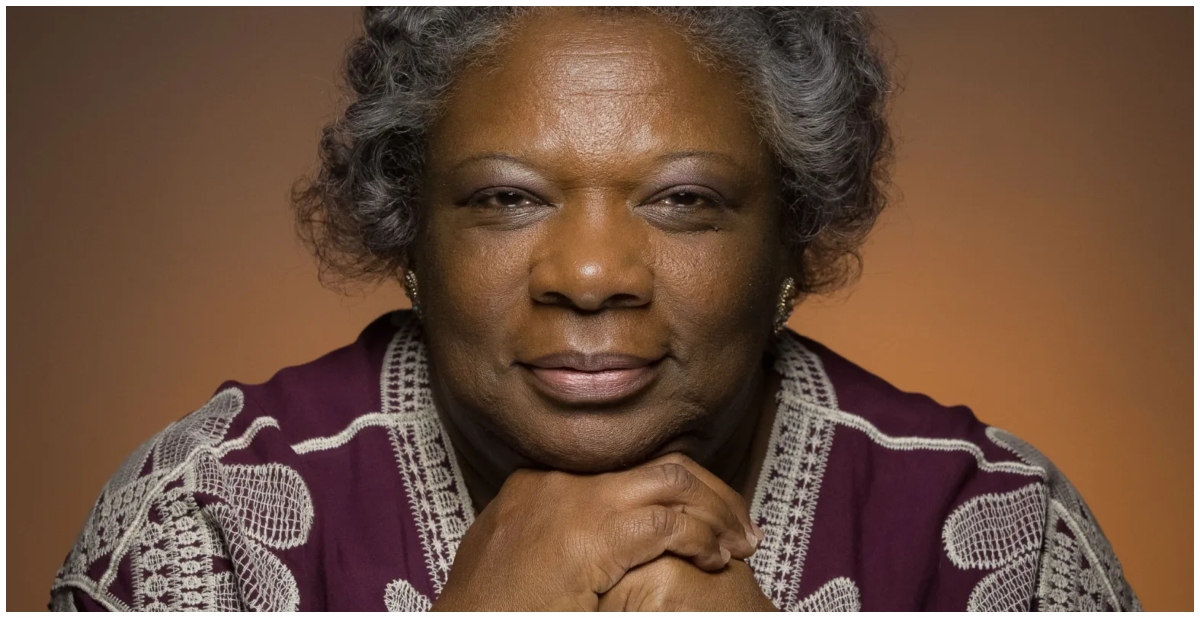
More than six decades after helping break racial barriers in American education, Leona Tate is once again standing on the frontlines of history. This time, the civil rights icon is speaking out against political efforts in Louisiana that could weaken Black voting power and reshape congressional representation across the state.
Speaking before lawmakers in Baton Rouge, Tate delivered emotional testimony as state Republicans moved to redraw congressional district maps after a recent Supreme Court of the United States ruling. Her message was clear: history is repeating itself, and silence is not an option.
Leona Tate’s Civil Rights Journey Still Shapes AmericaAs a child, Tate was one of the New Orleans Four, the first group of Black children to desegregate public schools in the Deep South. At just six years old, she walked into school surrounded by armed U.S. marshals while facing racial insults, threats, and angry crowds.
Although many years have passed, those painful memories remain close. During the Louisiana hearing, Tate said the current political battle brought back emotions she first felt as a child.
“I need you to understand what it feels like to stand here, to have walked through that mob as a child, and to now watch elected officials do the same thing that mob was trying to do, just with better suits and parliamentary procedure.”
Her words immediately changed the tone of the hearing and reminded many people that civil rights battles are not just part of history books. For many Black Americans, they are still happening today.
The hearing came after the Supreme Court opened the door for Louisiana Republicans to redraw congressional district maps. Critics say the new proposals could remove at least one majority Black congressional district, reducing the political influence of Black voters across the state.
This is especially significant because Black voters make up nearly one third of Louisiana’s electorate. For civil rights groups, community leaders, and elected officials, the proposed changesrepresent more than politics. They represent access, representation, and democratic fairness.
Meanwhile, Governor Jeff Landry postponed U.S. House primary elections that had already been scheduled. Thousands of ballots had already been mailed, leaving many voters confused about what would happen next.
For more than eight hours, lawmakers, pastors, activists, and voters gave testimony inside the state capitol. Emotions ran high as protesters gathered outside, cheering on speakers who challenged the proposed maps.
Mike McClanahan of the National Association for the Advancement of Colored People was reportedly blocked from entering the hearing room, increasing tension around the event.
At the same time, Sarah Whittington from the American Civil Liberties Union warned that the sudden election changes were damaging public trust.
“Folks are unsure of what is happening with these ballots, what elections are or are not happening.”
Her concerns reflected the uncertainty many voters are now facing across Louisiana.
Leona Tate Says the Next Generation Is WatchingThroughout her testimony, Tate made it clear that this battle isbigger than district lines. For her, it is about what future generations of Black children will believe about their place in American democracy.
She urged lawmakers to think carefully about the message their decisions would send.
“You can draw a map that reflects who Louisiana actually is, a state where Black voices belong in the halls of Congress. Or you can draw a map that tells my grandchildren, ‘Your voices don’t count.’”
Her statement became one of the most powerful moments of the day. It connected past struggles for school integration with today’s fight for equal political representation.
Louisiana is not alone. Similar redistricting battles are now growing across Southern states, including Texas, Alabama, Tennessee, and South Carolina.
Voting rights advocates say these efforts couldreshape political poweracross the region ahead of national elections. Many Black leaders now see this moment as a defining test for democracy in America.
For Tate, however, the mission remains deeply personal. From breaking school segregation as a little girl to defending Black political representation as an elder stateswoman, her voice continues to remind America that progress must always be protected.

