
Robert William Stewart, Appointed in 1889, Served as LAPD’s First African American Officer
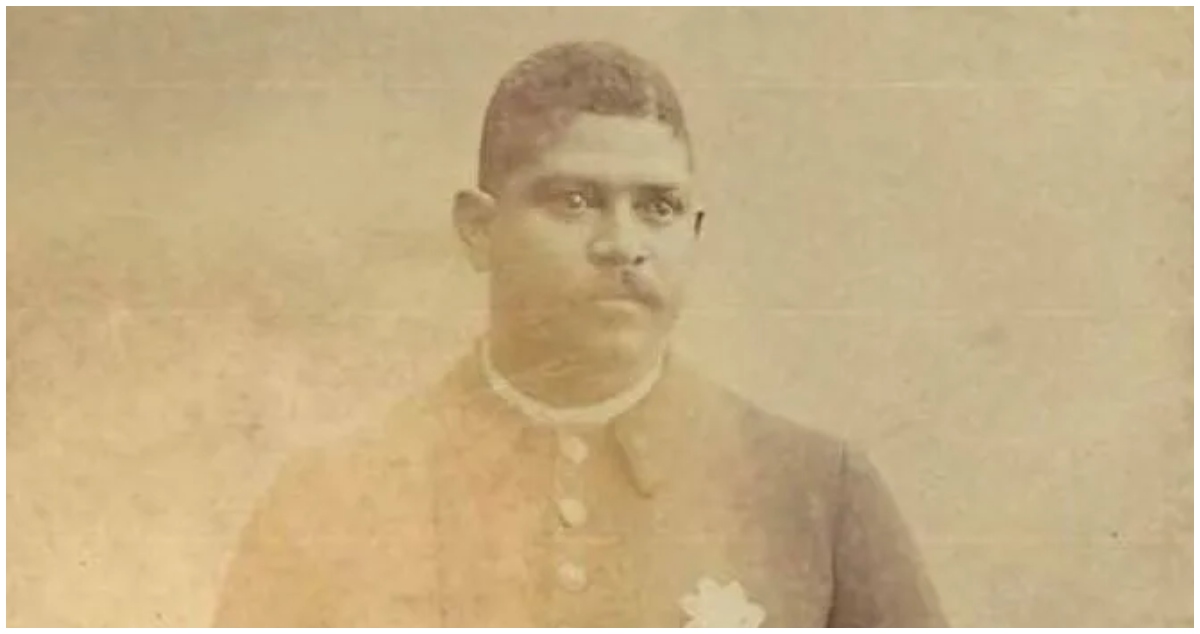
The Los Angeles Police Department has a long and complex history. One foundational figure is Robert William Stewart. He broke a significant color barrier in 1889. His appointment made him the LAPD’s very first African American police officer. Sadly, his pioneering career ended in a grave injustice. However, the Department has now taken steps to correct the historical record. In 2021, he was posthumously reinstated by a unanimous police commission vote.
Stewart served the city for over a decade. Historical accounts describe him as a well-respected and dedicated officer. He walked his beat during a period of tremendous growth and change in Los Angeles. His presence on the force was a landmark moment for representation. Ultimately, his tenure ended abruptly in 1900. He was falsely accused and wrongfully terminated for a crime he did not commit.
The Pioneering Service of Officer Robert Stewart
Robert Stewart’s appointment was a remarkable event for its time. He began his service when Los Angeles was still a young, expanding city. For eleven years, he wore the badge with documented dedication. News articles and community accounts from the era note his respectable reputation. He wasn’t just a token presence. He was an active and recognized peace officer navigating a challenging social landscape.
His daily duties would have involved walking a patrol beat. Policing in the late 19th century demanded a different skillset than today. Officers relied heavily on community ties and personal judgment. Stewart evidently built those connections successfully. His career demonstrated that Black officers could serve with honor and efficacy. This paved the way for others, however slowly change would come.
The Unjust End to a Trailblazing Career
Tragically, Stewart’s groundbreaking career was cut short. In 1900, he faced false accusations related to a crime. The details of the allegation are lost to time, but the outcome is clear. He was removed from his position on the LAPD force. This termination was a profound personal injustice. It also robbed the department and city of his experience.
For over 120 years, this blemish remained on his record. The official history marked his service as ending in disgrace. This stood in stark contrast to the documented praise he received during his active years. The wrongful termination became a quiet, unresolved footnote. It symbolized the broader struggles faced by Black pioneers in institutions during that era.
Posthumous Reinstatement and Legacy Correction
A major step toward justice finally came in 2021. The Los Angeles Police Commission reviewed the historical case. After deliberation, they voted unanimously to correct the record. They officially recognized the injustice of his 1900 termination. The commission posthumously reinstated Officer Robert William Stewart. This symbolic act restored his dignity and rightful place in LAPD annals.
This reinstatement is more than a bureaucratic gesture. It is a public acknowledgment of a past wrong. It allows the department to honor his true legacy of service. During Black History Month and every day, his story is now told more completely. We can now thank Officer Stewart for his pioneering service. We also acknowledge the resilience he showed in the face of injustice.
Remembering a Barrier-Breaking Legacy
Robert Stewart’s story is one ofboth triumph and tragedy. He embodied the possibility of progress in a segregated America. His respect within the community proved his capability and character. Yet, his career also shows how systemic prejudice could destroy individual lives. His narrative is a crucial chapter in the history of Los Angeles and American policing.
Today, his legacy is finally being honored accurately. The LAPD’s recognition helps educate new generations. It highlights the contributions of Black officers from the very beginning. The story of Robert William Stewart is now defined not by a false accusation. Instead, it is defined by his courage to serve and the long-delayed justice that reclaimed his name.

