
Eddie Phillips Makes History as First Black and Youngest President of National Louis University, Opening New Doors for Black Leadership and Inspiring Future Women Leaders in Higher Education
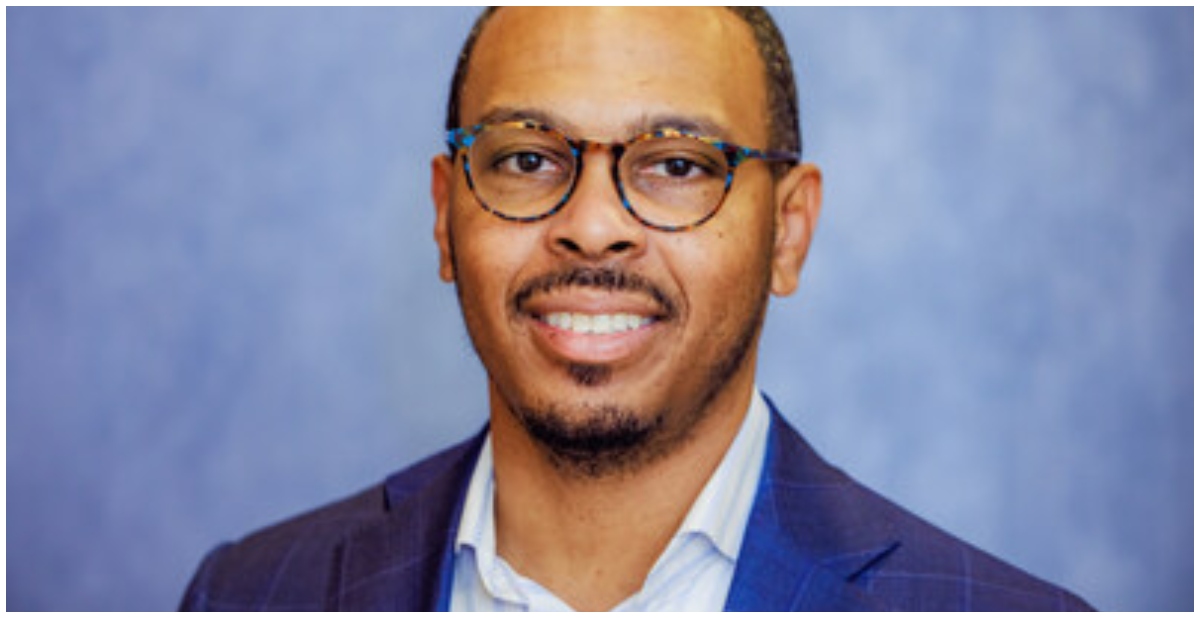
Eddie Phillips has been named the twelfth president of National Louis University, marking a major milestone in the school’s 140-year history. He will officially take office on August 1, becoming both the first Black president and the youngest leader the university has ever had.
The appointment is being widely seen as a powerful step forward for representation in higher education leadership. It also highlights growing progress in opening top academic roles to more diverse voices, especially Black professionals.
A New Era for Black Leadership in Higher EducationNational Louis University, based in Chicago,serves thousands of studentsacross undergraduate and graduate programs. The institution also operates campuses in Illinois and Florida, along with online learning programs that reach students nationwide.
Black students make up more than one-fifth of the undergraduate population at the Chicago campus. This makes Phillips’ appointment especially meaningful for many students who now see leadership that reflects their identity and experiences.
As he prepares to step into his new role, Phillips brings a strong background in academic leadership and student affairs. His rise is being recognized as a moment that strengthens Black leadership in higher education spaces that have long lacked diversity at the top.
Eddie Phillips’ Journey Through Academic Leadership RolesBefore becoming president, Dr. Phillips joined National Louis University in 2021 as vice provost of academic programs and accreditation. One year later, he made history again by becoming the university’s first Black provost and vice president of academic affairs.
His career includes leadership roles at several respected institutions in the Chicago area. These include Kennedy-King College, Northern Illinois University, Malcolm X College, and Rush University Medical Center, where he worked in academic affairs and student services.
This steady rise through academic leadership positions shows his long-standing commitment to education. It also reflects years of experience working directly with students, faculty, and university systems.
Vision for Inclusive Education and Student EmpowermentDr. Phillips has shared a strong vision for his leadership at National Louis University. He emphasized the importance of education in shaping both individuals and communities.
He said, “I am deeply honored to have been chosen to lead the National Louis University community at such a monumental point in its history.”
He also added, “This will ensure that every learner we serve is empowered to thrive, lead, and shape the futures of their communities.”
His message reflects a focus on opportunity, inclusion, and long-term impact for students from all backgrounds.
Dr. Phillips holds bachelor’s and master’s degrees in sociology and criminology. He also earned a doctorate in higher education leadership and administration from Northern Illinois University.
His academic training has shaped his leadership approach, especially his focus on equity, access, and student success. These values continue to guide his work in higher education administration.
As he steps into his new role, many see his appointment as a reflection of both achievement and responsibility. His leadership is expected to influence how future university leaders, including women and people of color, are developed and supported.
While Phillips’ appointment is a personal milestone, it also carries broader meaning for women andminority leaders in education. His rise shows that leadership spaces are slowly becoming more open to diverse talent.
As universities continue to evolve, representation at the top plays an important role in shaping who feels included in academic leadership pipelines. This can encourage more women to pursue and remain in higher education leadership roles.
Ultimately, his presidency is being viewed as a symbol of progress. It signals that barriers in academic leadership can be broken, creating space for future generations of women and Black leaders to rise.

