
How Daniel Adongo Went From Kenya’s Rugby Fields to Becoming the First Kenyan-Born Player in NFL History
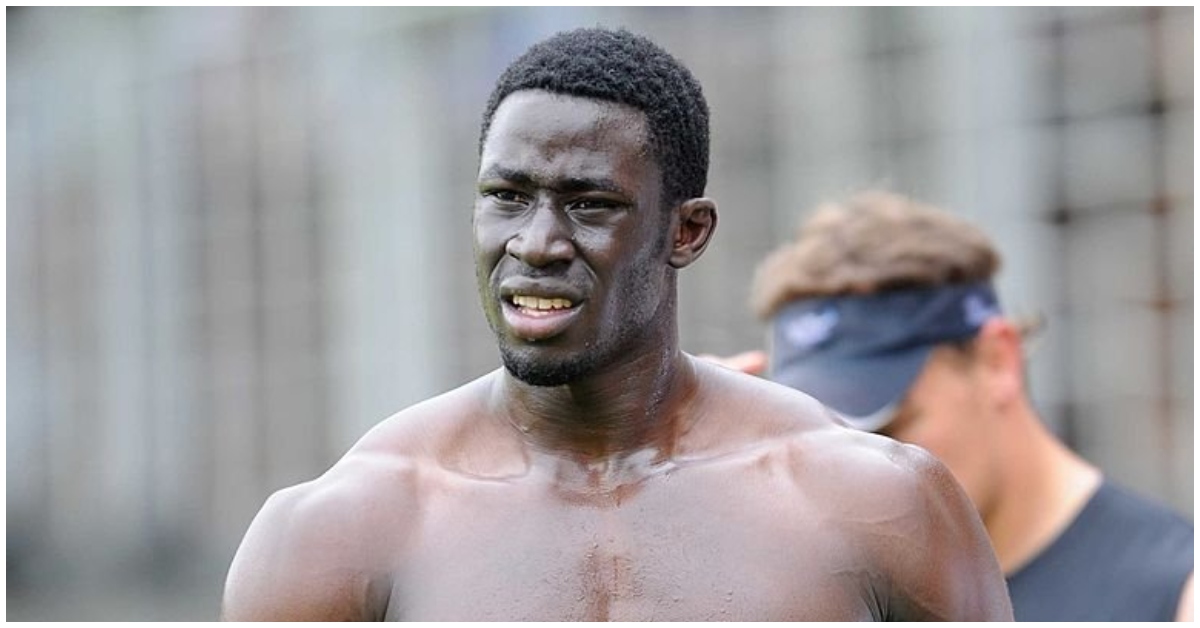
Daniel Adongo’s journey from Kenya to the National Football League inspired many sports fans across Africa. His path showed that athletes from non-traditional football countries could compete at the highest level. Years later, however, his story has taken a difficult turn following his deportation from the United States.
According to U.S. Immigration and Customs Enforcement (ICE), Adongo was deported on June 20 after overstaying his visa following the end of his NFL career. The agency said an immigration judge ordered his removal in March, bringing another chapter of his remarkable but complicated life to a close.
Daniel Adongo’s Rugby Journey Led Him to the NFLBefore football entered his life, Adongo was known as a talented rugby player from Kenya. His athletic ability eventually caught the attention of NFL scouts, despite having littleexperience in American football.
That opportunity arrived in 2013 when the Indianapolis Colts signed him. The move made Adongo the first Kenyan-born player in NFL history. He later appeared in five games over two seasons, marking an important moment for Kenyan sports and inspiring young African athletes to dream beyond traditional career paths.
Daniel Adongo Opened New Doors for African AthletesAdongo’s signing was significant because very few African-born athletes had reached the NFL through such an unusual route. His success demonstrated that exceptional athletic talent could create opportunities across different sports.
His journey also highlighted the growing relationship between rugby and American football. Both sports demand strength, speed, and physical toughness. Those qualities helped Adongo earn his chance, even without years of football experience.
After leaving the NFL, Adongo faced several legal and personal challenges. Court records, according toThe Indianapolis Star, showed he encountered legal trouble during and after his time with the Colts.
ICE stated that Adongo had been arrested multiple times over the past nine years on charges that included felony intimidation, battery, and disorderly conduct. The agency also said he was convicted of criminal mischief with damage in 2020 and sentenced to 364 days in jail. He served six months with credit for time served.
ICE said Adongo’s most recent charges fell under the Laken Riley Act, which requires detention without bond for certain immigration-related cases involving qualifying criminal offenses. Following the immigration court’s removal order, he was held at the Miami Correctional Facility before being deported.
Adongo’s attorneys have argued that his legal problems may have beenconnected to mental health challenges.His defense attorney previously cited a 2020 medical report describing him as “acutely psychotic with traumatic brain injury” after an examination at St. Joseph Regional Medical Center.
A mental health social worker who treated Adongo for several years also stated that he suffered from an undisclosed mental illness. His family believes repeated blows during his rugby and football careers contributed to his condition.
The condition widely suspected by those close to him is Chronic Traumatic Encephalopathy, or CTE. The disease has been linked to repeated head impacts in contact sports. It can cause memory loss, mood changes, and behavioral problems. However, CTE can only be confirmed after death through an examination of brain tissue.
Although his later years have been marked by legal difficulties, Adongo’s athletic achievement remains an important chapter in Kenyan sports history. His rise from rugby fields in Kenya to the NFL showed what determination and opportunity could accomplish.
At the same time, his story alsohighlights the challengesmany former contact sport athletes face after retirement. It raises important conversations about mental health, player safety, and the long-term effects of repeated head injuries.
Daniel Adongo’s life reflects both remarkable achievement and profound hardship. His journey continues to serve as both an inspiration and a reminder of the importance of supporting athletes long after their playing careers end.

